Reliable Structural Engineering Solutions for Safe, Durable Buildings
ISE Facade Structural Engineering Services Works

Structural Engineering Services

ISE provides independent structural engineering services for architects, developers, contractors, and project owners across commercial, industrial, institutional, and specialized developments. Our structural engineers support projects from concept and analysis through detailed design, documentation, coordination, and construction support, helping teams develop structures that are safe, buildable, code-compliant, and efficient.

Structural Engineering That Works in the Real World

A structure has to do more than stand up. It must carry the loads it is designed for, withstand environmental conditions, remain stable and serviceable throughout its intended life, and operate within the project's architectural, construction, and budget constraints.

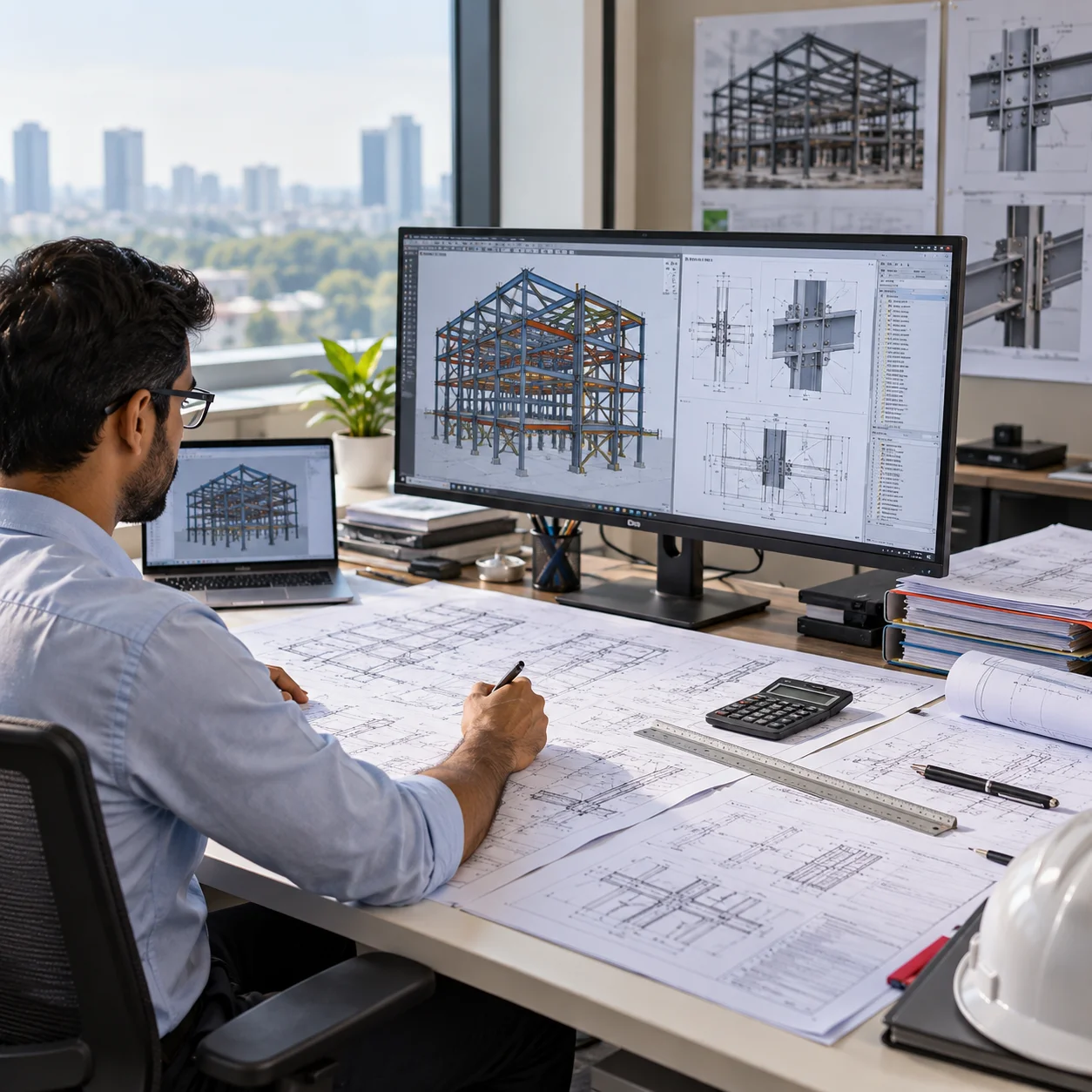
ISE approaches structural engineering as part of the wider building design process. We evaluate loads and structural behavior, select appropriate systems and materials, design structural elements and connections, and coordinate structural requirements with architectural and facade systems before issues reach the construction site.

Our structural engineering services cover new-build projects as well as assessment, repair, restoration, and value engineering of existing structures.

“Structural Engineering from Analysis to Construction – Deliver technically sound, code-compliant, and buildable structural solutions through rigorous analysis, coordinated design, and construction-focused engineering.”

Why Structural Engineering Matters

Structural decisions made early in a project influence everything that follows — architectural form, material quantities, construction methods, project cost, and long-term performance.

Independent structural engineering input helps project teams identify technical risks before they become expensive changes during construction.

ISE's structural engineering approach focuses on:

  • Strength and stability: Structural systems are analyzed for the loads and conditions they are expected to experience.
  • Code compliance: Structural solutions are checked against the relevant building codes and regulations for the project jurisdiction.
  • Constructability: Drawings, calculations, connections, and structural details are developed with construction requirements in mind.
  • Material efficiency: Structural systems and materials are reviewed for opportunities to improve efficiency without compromising performance.
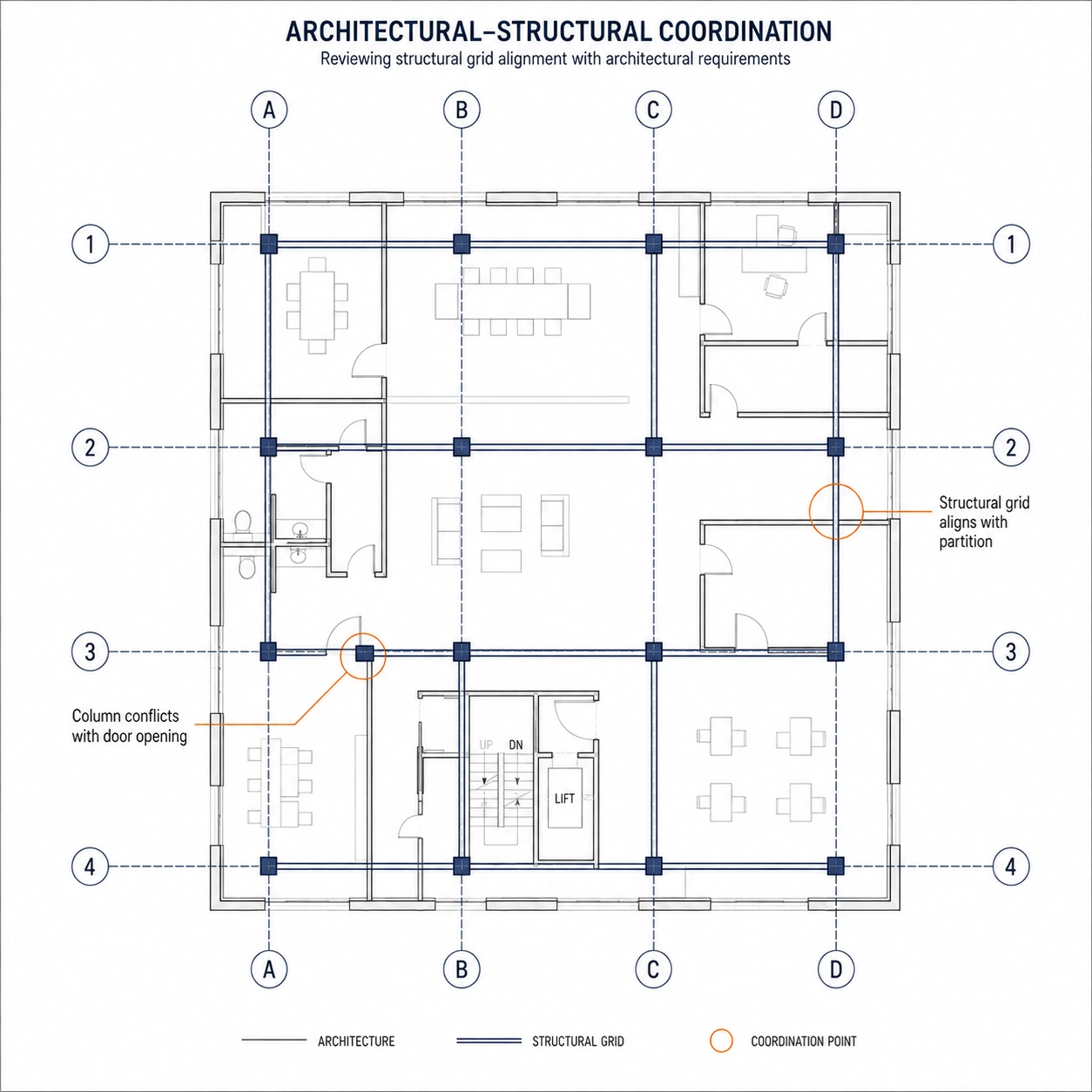
  • Interdisciplinary coordination: Structural design is coordinated with architectural and facade requirements to identify conflicts early.
  • Long-term performance: Designs consider serviceability, durability, and the conditions the structure will experience throughout its intended life.

What You Get From Working With ISE

Structural Systems Designed for the Long Term:

ISE designs load-bearing elements, framing systems, and connections to ensure strength, stability, durability, and compliance with the project's actual loading conditions.

Analysis Before Construction:

Structural analysis and simulation help evaluate structural behavior under different load conditions, allowing potential performance issues to be identified before they become site problems.

Designs That Work With the Building:

Structural design does not happen in isolation. ISE coordinates structural requirements with architectural and facade design so the structural system supports the overall building intent.

Construction-Ready Documentation:

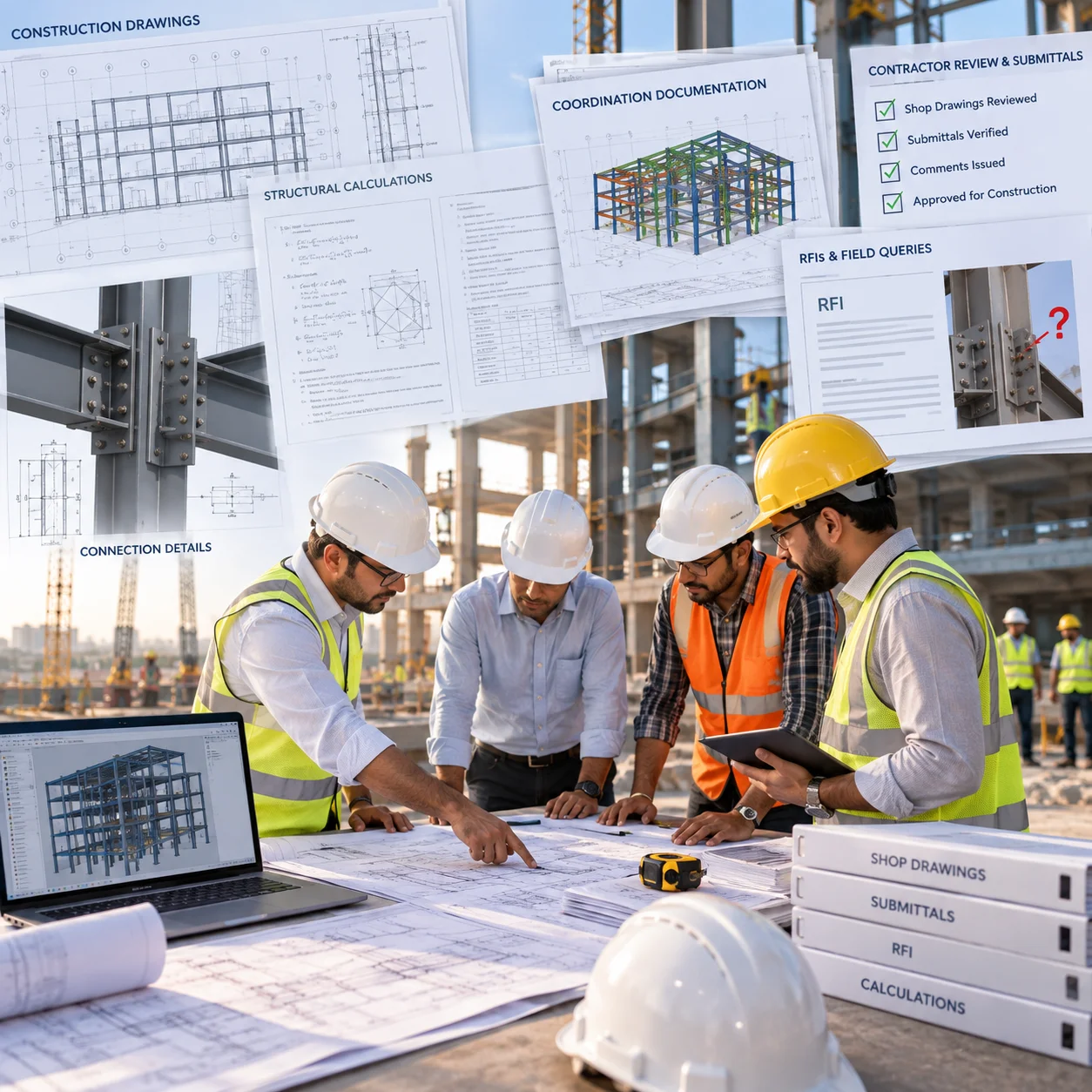
Structural calculations, analysis reports, drawings, connection details, and coordination documentation are prepared to provide construction teams with information they can work from.

Code-Compliant Structural Design:

ISE works with the relevant local and international codes applicable to each project. The applicable jurisdiction and design standards are established at project kickoff and incorporated into the analysis and design process.

Value Engineering Without Cutting Corners:

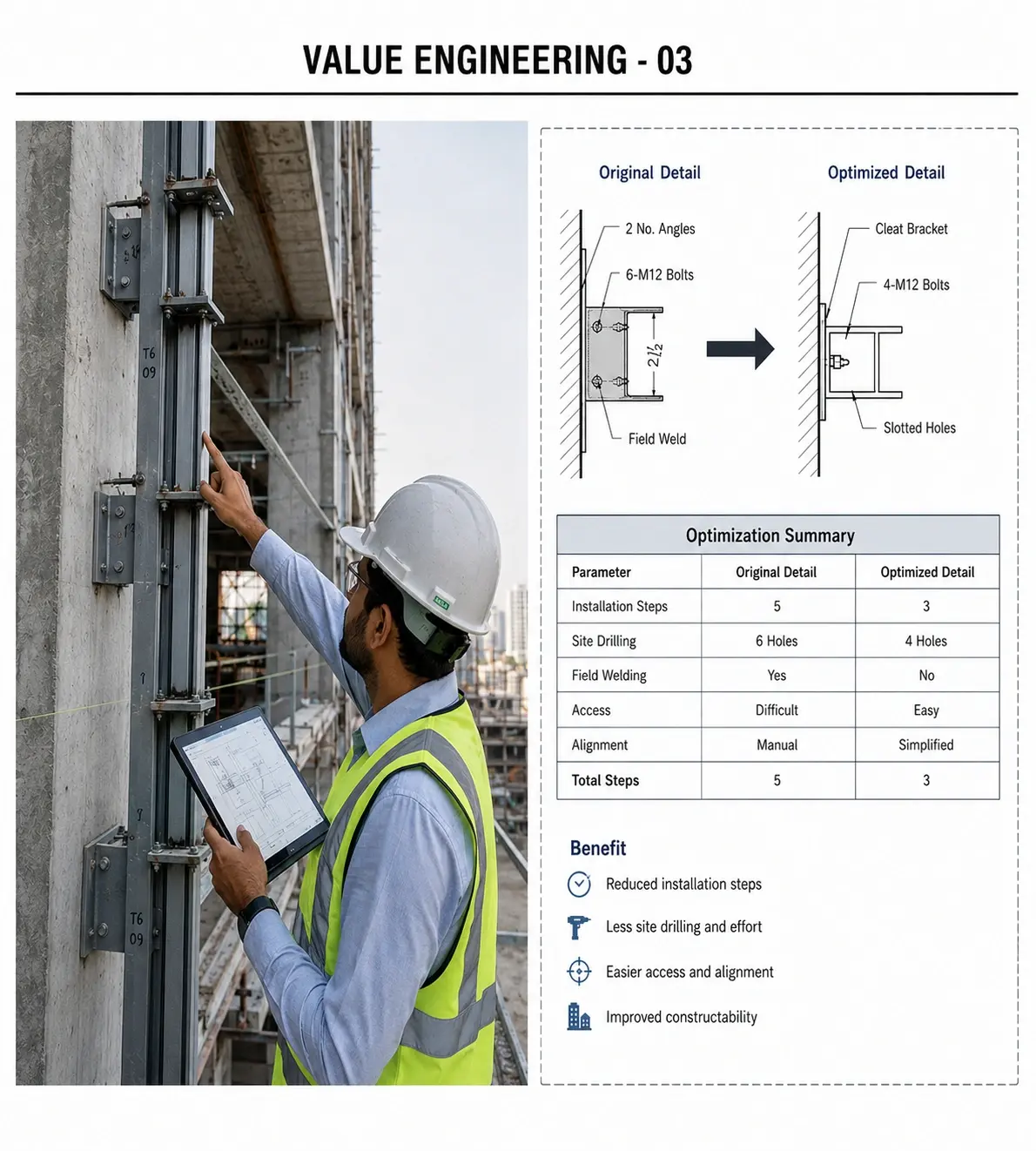
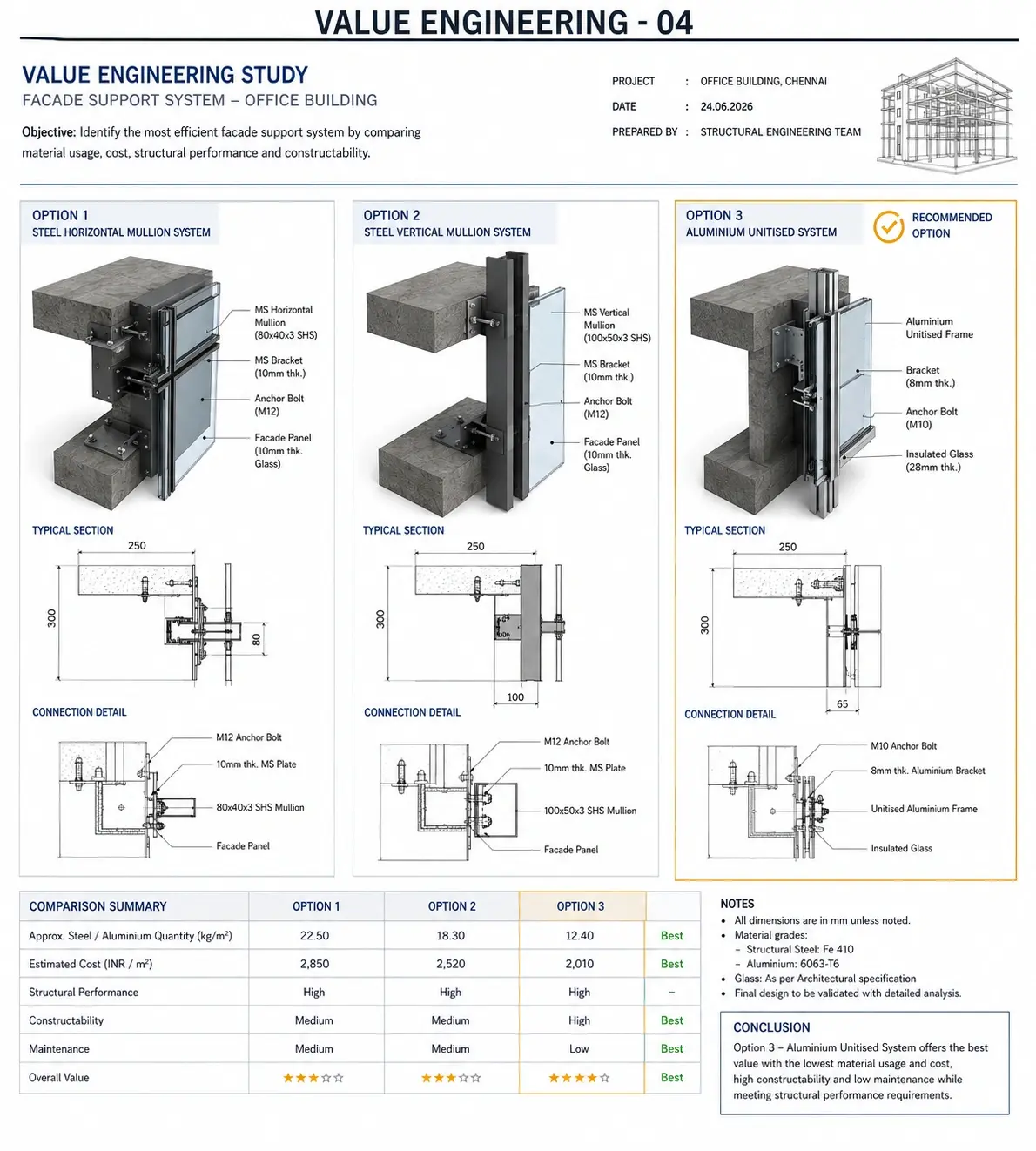
Structural systems, materials, and connection types are reviewed for opportunities to reduce unnecessary cost and material use while maintaining the required structural performance and safety.

How ISE Supports a Structural Engineering Project

Concept & Initial Assessment

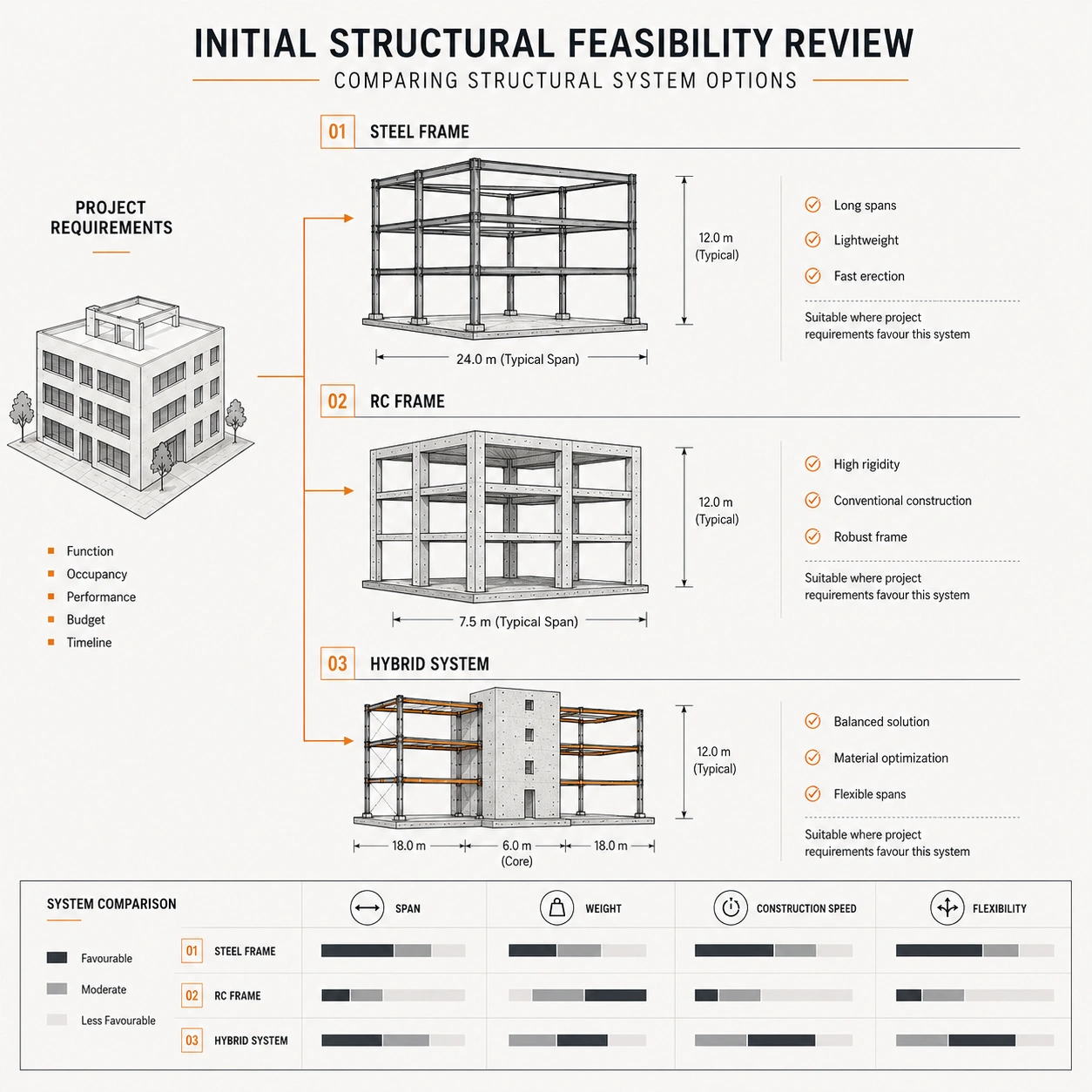
Structural engineering input is most valuable when key decisions can still be changed. ISE reviews the project's geometry, loads, materials, site conditions, and architectural intent before developing the structural approach.
Structural Analysis & Design

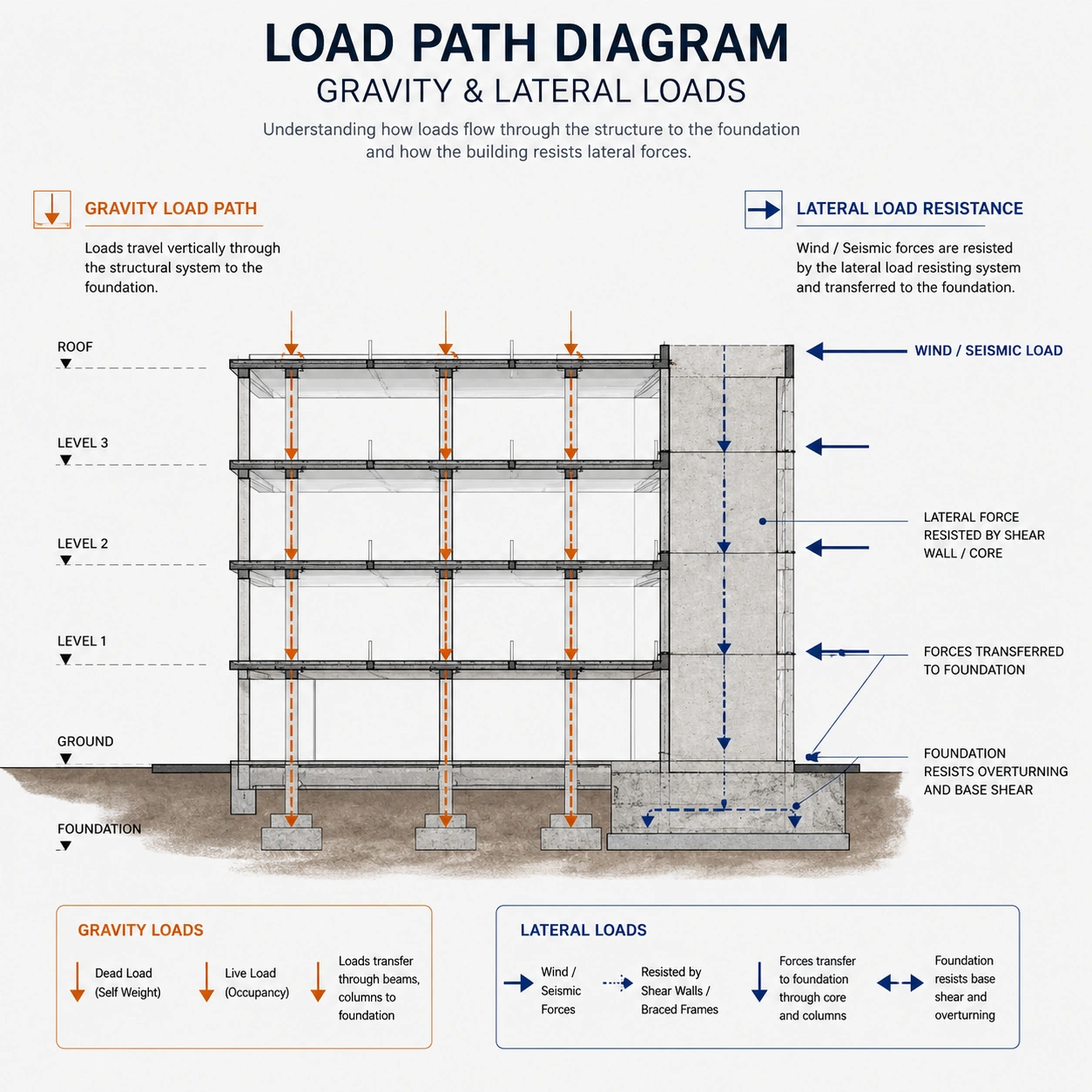
Once the structural approach is established, ISE develops and analyzes the structural system against the conditions the project is expected to experience.

Detailed Structural Engineering:

ISE develops the structural information required to move the project toward construction, including detailed structural design, connection design, and coordination.

Documentation & Construction Coordination

Structural information needs to be clear enough for contractors and fabrication teams to interpret correctly. ISE prepares documentation around constructability and remains involved when technical clarification is required.

Value Engineering:

ISE helps project teams optimize structural solutions by reviewing designs and specifications to identify opportunities for improved efficiency, constructability, and cost effectiveness without compromising structural performance.

Core Structural Engineering Services

Strength & Stability Analysis:

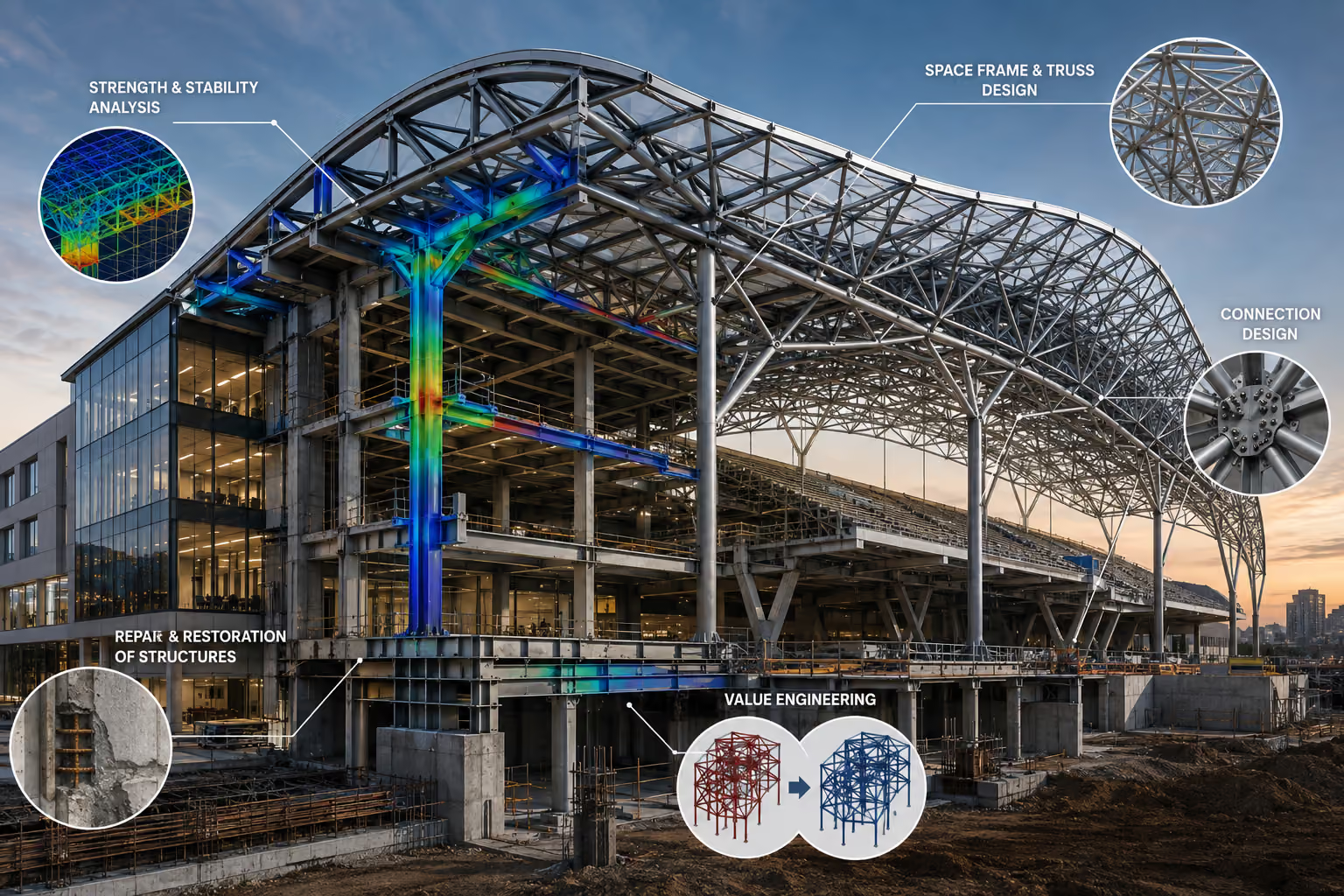
ISE analyzes structures for strength and stability to identify potential weak points and verify that structural systems can safely perform under the required loading conditions.

Connection Design:

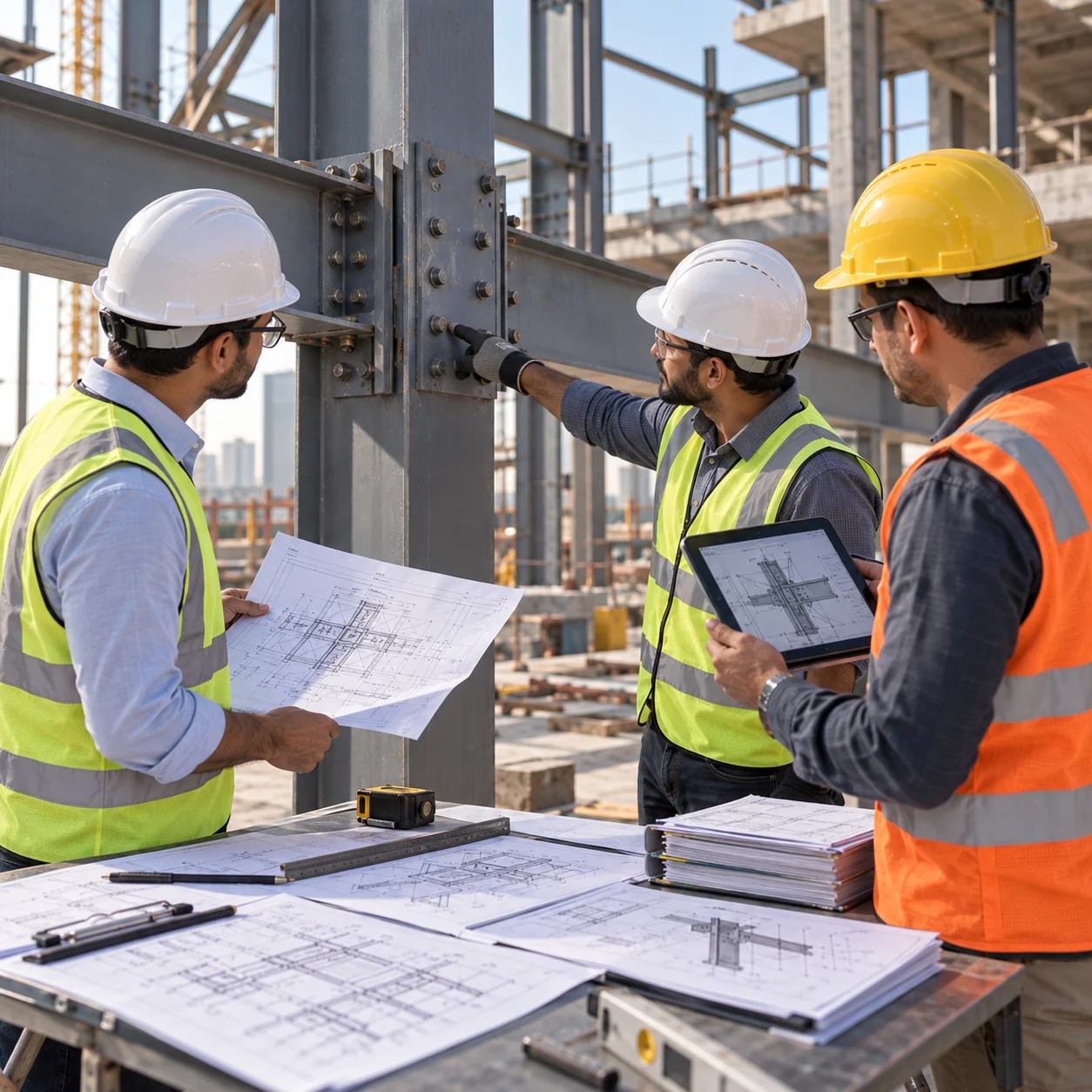
Connections are critical to how structural loads move through a building. ISE designs and calculates beam-to-column, staircase, bracket, and other structural connections so individual elements function as an integrated system.

Single-Layer Free-Form Space Frames:

ISE designs lightweight single-layer free-form space frame systems for applications where architectural geometry and large unobstructed areas are important, including canopies and feature roofs.

Double-Layer Space Frame & Truss Design:

Double-layer space frames and truss systems provide additional depth, load capacity, and redundancy for projects requiring longer spans or greater structural capacity while maintaining the intended architectural form.

Repair & Restoration of Structures:

For existing structures showing deterioration or performance concerns, ISE assesses the condition and develops engineering solutions to restore structural performance and extend service life.

Structural Value Engineering:

ISE reviews structural systems, materials, and connection solutions to identify alternatives that can improve efficiency and reduce project costs while maintaining the required performance and safety criteria.

Additional Structural Engineering Services

Some structural engineering requirements do not fall neatly into a single project stage. ISE can provide specialist support where a client needs an independent technical review or engineering input for an existing or developing project.

Independent Structural Technical Review

ISE reviews structural designs, calculations, drawings, or contractor submissions to identify technical risks, coordination issues, and potential areas requiring further engineering attention.

Structural Repair & Rehabilitation

Following assessment, ISE develops engineering solutions aimed at restoring structural performance and extending the useful life of existing structures.

Existing Structure Assessment

For existing buildings and structures, ISE can assess deterioration, cracking, deflection, capacity concerns, or other signs of distress before repair or restoration work is undertaken.

Structural Value Engineering

ISE evaluates alternative structural systems, materials, and connection approaches where clients need to improve project efficiency or reduce unnecessary structural costs.

Types of Projects We Support

ISE provides structural engineering services for a wide range of building and infrastructure projects, including:

  • Commercial buildings and offices
  • Shopping malls and retail developments
  • Showrooms
  • Industrial buildings and factories
  • Healthcare facilities and hospitals
  • Hotels and hospitality developments
  • Schools and educational campuses
  • Stadiums and entertainment venues
  • Public infrastructure
  • Specialized architectural structures
  • Existing structures requiring assessment, repair, or restoration

Structural Engineering Software & Analysis Tools

ISE uses established structural analysis, design, and connection engineering tools to support project-specific requirements.
Our engineering workflow includes:

  • STAAD.Pro
  • SAP2000
  • SCIA Engineer
  • IDEA StatiCa
  • LIMCON
  • SJ Mepla for glass design
  • Proprietary in-house analysis tools

The choice of software and analysis methodology depends on the structural system, project requirements, materials, applicable codes, and engineering scope.

Why Choose ISE for Structural Engineering?

Independent Engineering Perspective

ISE's recommendations are based on structural performance, constructability, project requirements, and engineering analysis rather than a requirement to promote a particular structural product or system.

Structural & Facade Engineering Under One Roof

Structural and facade systems interact closely. ISE's combined structural and facade engineering capabilities allow the relationship between the building structure and envelope to be considered during design and coordination rather than treated as two separate problems.

Experience Across International Projects

ISE has supported structural and facade engineering projects across multiple regions, including India, the UK, France, and Singapore. The engineering process remains consistent across jurisdictions: understand the project, analyze, design, coordinate, document, and support construction.

Engineering Focused on Constructability

Structural design needs to work beyond calculations. ISE develops structural drawings, connection details, and documentation with construction requirements and coordination in mind.

Support Beyond Design Documentation

ISE remains available during construction to help resolve structural RFIs, review relevant contractor submissions, and confirm that construction remains aligned with the structural design intent.

How ISE Works With Your Project Team

Innovation and Passion of ISE

Understand the project

ISE reviews loads, geometry, materials, site conditions, architectural intent, and applicable project requirements before structural design begins.
Honesty and Transparency of ISE

Analyze and design

Structural systems are modelled and analyzed for strength, stability, and performance under the conditions the project is expected to experience.
Respect of ISE

Coordinate

Structural design is coordinated with architectural and facade requirements to identify technical conflicts before they reach construction.
Accountability of ISE

Document

Structural drawings, calculations, connection details, and supporting documentation are prepared for the project's construction and coordination requirements.
ISE top facade consulting services

Support construction

ISE remains available through construction to address field queries, review relevant submissions, and help ensure the structural intent is maintained.

Talk to ISE About Your Structural Project

Whether you are developing a new commercial or industrial building, require structural design for a complex architectural form, need connection or space frame engineering, or have an existing structure requiring assessment and repair, ISE can help define the appropriate structural engineering scope.
Request a Consultation or View Projects to discuss your structural requirements with ISE.

See Project Example
FAQS

Frequently asked questions

1. What does a structural engineering firm do?

A structural engineering firm designs, analyzes, and assesses the systems that support a building or structure. ISE's structural engineering scope includes structural analysis, structural design, connection design, space frame and truss design, repair and restoration, value engineering, documentation, coordination, and construction support.

2. When should I involve a structural engineer in a building project?

Ideally, a structural engineer should be involved during the concept or early schematic design stage. Early involvement allows structural constraints, loads, geometry, and system requirements to be considered before architectural decisions become difficult or expensive to change. ISE can also join projects during detailed design, construction documentation, construction, or when an existing structure requires assessment or repair.

3. Can ISE review structural designs prepared by another engineering firm?

Yes. ISE can provide independent technical review of structural designs, calculations, drawings, and relevant contractor submissions to identify potential technical, coordination, constructability, or performance concerns.

4. What structural design services does ISE provide?

ISE provides structural design services including strength and stability analysis, connection design, single-layer free-form space frames, double-layer space frames and truss design, repair and restoration engineering, and structural value engineering.

5. Does ISE provide structural engineering consultation for existing buildings?

Yes. Structural engineering consultation can be scoped for existing structures before a repair or restoration project is undertaken. ISE can assess issues such as deterioration, cracking, deflection, or structural capacity concerns and establish the engineering requirements for the next stage.

6. Does ISE support projects during construction?

Yes. ISE remains available during construction to answer structural field queries, review relevant contractor submittals, and help project teams maintain the structural design intent.

7. What building codes does ISE work with?

ISE works with the applicable local or international structural codes for each project's jurisdiction. The relevant code requirements are established based on the project location and scope rather than applying one default standard to every project.

8. What deliverables are included in structural engineering services?

Typical structural engineering deliverables may include:

  • Structural calculations and analysis reports
  • Construction-ready structural drawings
  • Connection design details
  • Structural coordination documentation
  • Condition assessment reports for repair and restoration projects

The exact deliverables depend on the project scope, complexity, jurisdiction, and stage of involvement.

9. How does structural value engineering reduce project cost?

Structural value engineering reviews alternative materials, structural systems, and connection approaches to identify opportunities for improved efficiency or reduced cost. The objective is not to reduce safety requirements but to identify solutions that meet the same structural performance criteria more efficiently.

10. How are structural engineering fees determined?

Structural engineering fees depend on factors such as:

  • Project size and complexity
  • Structural span and geometry
  • Loading conditions
  • Number of coordination interfaces
  • Applicable jurisdiction and code requirements
  • New structural design versus assessment or repair
  • Required engineering deliverables

Because these factors vary between projects, ISE scopes and quotes structural engineering work.